Open the Door to Life Coverage Options in Citrus Heights, CA
Learn how term life, whole life and final expense insurance compare and which details shape the price, then answer a few short questions whenever you're ready. Families in Citrus Heights, Folsom and Fair Oaks start here for a relaxed, straightforward conversation about coverage that suits their plans.
Coverage options for Citrus Heights families
Answer six short questions and a licensed agent will follow up with options that fit your situation.
- Takes about two minutes
- No obligation to buy
- Your details stay private
Free, no obligation
See your coverage options
Six short questions. About two minutes.
The Kinds of Life Insurance People Ask About
Term life covers a set number of years, a span many people match to their mortgage or to the time their kids are growing up. Whole life lasts as long as you do and builds cash value, a feature the agent can explain in detail. A final expense policy is a smaller whole life plan meant for funeral costs. You'll find a separate page on each one.

Term Life Insurance
Coverage for a set number of years, often lined up with a mortgage, a paycheck others rely on, or the years until your children are grown.

Whole Life Insurance
Lifetime coverage that builds cash value, explained in plain words, with a licensed agent to answer your questions before you decide anything.

Final Expense Insurance
A small whole life policy meant for funeral costs and final bills, with simpler health questions on many plans.
How It Works, Start to Finish
This is the usual path from your first look to a policy in hand. You can pause or stop at any point.
- 1
Think about what the money is for
Begin with the reason: replacing income, clearing a mortgage, children's costs, a funeral or something left for family. That reason often suggests a kind of policy and a rough amount.
- 2
Answer the short form
Plan on about two minutes. It asks for your state, the coverage amount you have in mind, your marital status, the person you'd name to receive the money, your date of birth and how best to reach you.
- 3
Hear from a licensed agent
Next, a licensed agent covering your town reaches out with options. Bring along every question on your list. Talking it over commits you to nothing.
- 4
Apply if you choose
An application usually means health questions and, for some policies, a medical exam. Policies without an exam exist, though they usually cost more or cover less. An insurance company reviews it all before any policy is issued.
How We Make the First Step Easier
Life insurance often gets put off because it seems complicated or salesy. We keep the beginning simple, and every choice stays yours.
Explanations before questions
Read how each kind of policy works and what tends to shape the price before you share anything about yourself. Nothing on these pages asks for a commitment.
Only the basics on the form
We ask only for what someone needs to have a sensible conversation with you: the amount you're thinking about, who it's meant for and how to reach you. No account, no downloads.
No ranking, no push
We don't name insurers, rank policies or nudge you toward one kind. You get plain descriptions, and you make the final choice together with whoever you end up speaking to.
Your pace sets the schedule
These pages have no deadline. Read now, send the form next month, or just save what you've learned. Many people talk it through with a spouse or a grown child first, which is a sensible move.
Details handled with care
Your answers reach only the people able to respond to them. Our About page spells out how that works.
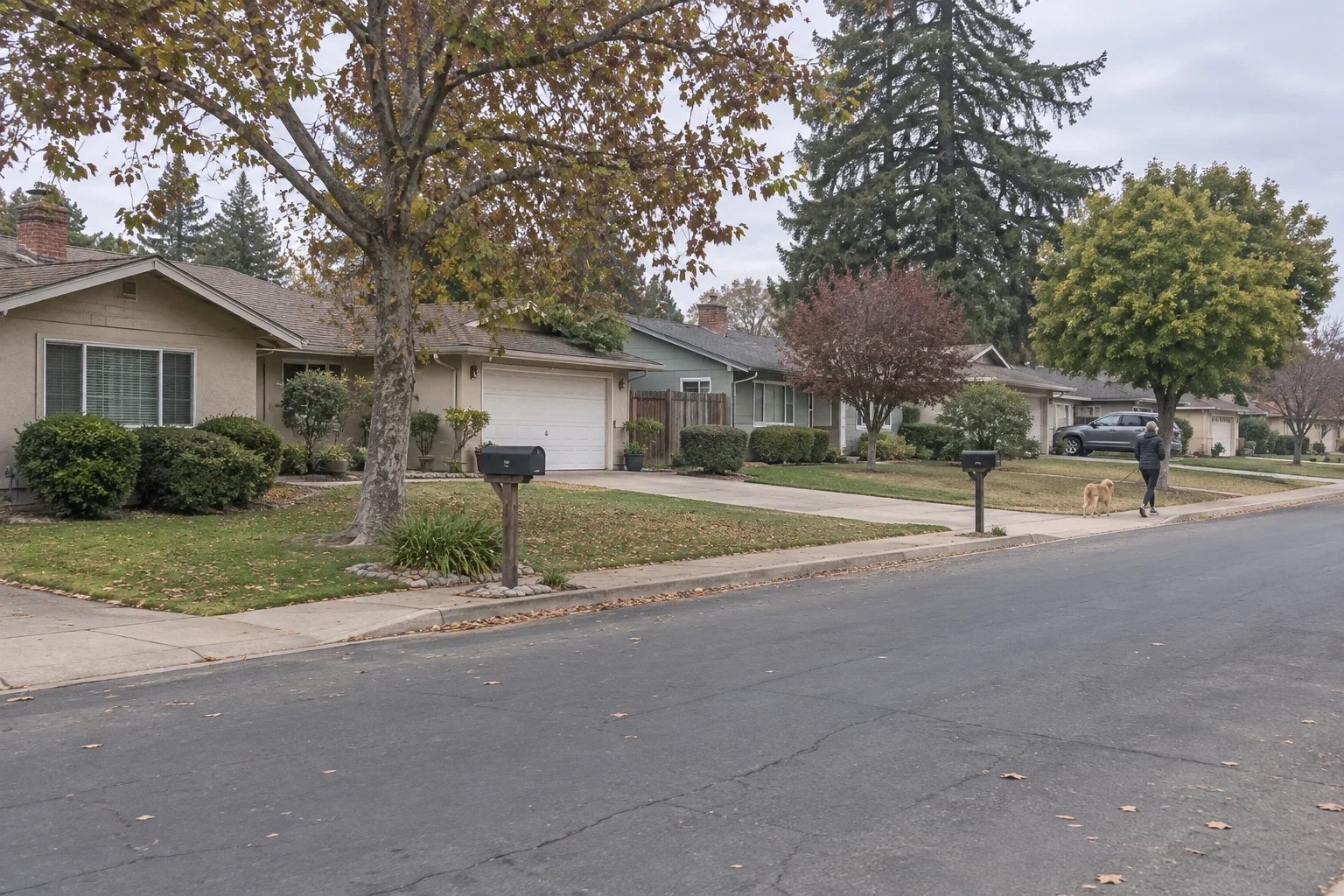
Serving Citrus Heights and the Towns Around It
People in Citrus Heights and the towns close by use our short form, including Roseville, Carmichael, Antelope, North Highlands, Foothill Farms, Orangevale, Fair Oaks, Gold River, Arden-Arcade and Folsom. The questions are identical no matter which of these towns you call home, and so is the way your answers are handled.
- Citrus Heights
- Roseville
- Carmichael
- Antelope
- North Highlands
- Foothill Farms
- Orangevale
- Fair Oaks
- Gold River
- Arden-Arcade
- Folsom
Our Service Areas page lists every town we cover and the parts of the process that stay the same for everyone.
What Moves the Price of a Policy
Every policy is priced for one person, so you won't see a figure for yours here. Insurers look at a short list of details. Knowing them ahead of time usually makes the later conversation quicker and easier to follow.
Prices aren't listed here because each one is set only after an insurer reviews your details and application. When an agent reaches out, ask how each of these points plays out in your own situation.
- Your age
- Your age on the day the policy begins is part of the price. Buying the same coverage a few years later generally costs more.
- Your health
- Expect questions about current conditions, medications and sometimes your family's health history. These answers are among the biggest things an insurer weighs when it sets the price.
- Tobacco use
- Cigarettes, vaping and other tobacco are priced on their own scale, and the gap can be wide. Answer this one accurately, because it touches the whole application.
- The amount of coverage
- The bigger the sum paid to your beneficiary, the higher the monthly cost. Most people land on a figure by listing what the money would have to cover.
- The length of the term
- With term life, picking 30 years instead of 10 raises the cost for the same amount. The policy simply has to stay in place through more years.
- The kind of policy
- Coverage meant to last a lifetime, like whole life, costs more than term for the same amount. Final expense policies pay out smaller sums, which keeps their monthly cost modest in comparison.
Questions People Ask Before They Start
What do people usually buy life insurance for?
Common reasons include replacing a paycheck if a wage earner dies, clearing a mortgage, paying for children's needs like school, covering a funeral and leaving money to family. Plenty of people have two or three of these at once. Writing yours down first makes the kind of policy and the amount easier to settle.
How much coverage do people usually look at?
One rule of thumb people use is to take several years of income and add what is still owed, such as a mortgage. Treat it as a starting point, not advice for you. As an example, Census figures for Citrus Heights show a median household income of $77,167, a median home value of $432,100, and 60% of homes lived in by their owner. A family earning close to that income with a mortgage might add a few years of pay to the remaining balance, then adjust for children's costs or savings already put aside.
Will I be approved?
No one can promise approval. The insurance company decides on every application, looking at things like your age, your health answers and the amount you request. If one kind of policy isn't open to you, the agent can talk through what else is available.
Is the payout taxed?
Under federal law, money paid to a named beneficiary is generally not taxed as income. Circumstances differ, so check with a tax adviser about your own case before counting on it.
Can I change my mind after I buy a policy?
Yes. Each policy includes a free-look period of at least 10 days. Cancel within that window and your money comes back to you. The exact number of days is printed in the policy, so look for it when your paperwork shows up.
How do I choose between term and whole life?
People often weigh how many years they need coverage, what monthly amount feels comfortable and whether cash value matters to them. Term tends to fit a need that ends, like a mortgage. Whole life fits a need that stays. You make the call, with the agent there to answer questions.
Does it cost anything, and do I have to buy?
Using our short form costs you nothing, and you are under no obligation to buy. You can send your answers, hear your options and decide the timing isn't right. Any price comes later, attached to a policy you choose to apply for.
Who We Are and Who You'll Talk With
Life Insurance Citrus Heights costs you nothing to use. We put you in touch with a licensed life insurance agent who works in California, and that is the whole of what we do. We are not an insurance company, and we are not an agent, so we never sell, price or issue a policy ourselves.
Once your answers are sent, the next conversation is yours to have with the agent who reaches out. They set out options, answer what you ask and help with an application if you decide to move forward. So they can reply, your details are shared with licensed agents and partner companies. Our About page describes that sharing in plain, everyday terms.

Take a Look at Your Options When You're Ready
Read as much as you like first. When it feels right, our short form asks a few plain questions, and the conversation moves at the pace you set.